Why Are Chicken Wings So High in Calories? Explained
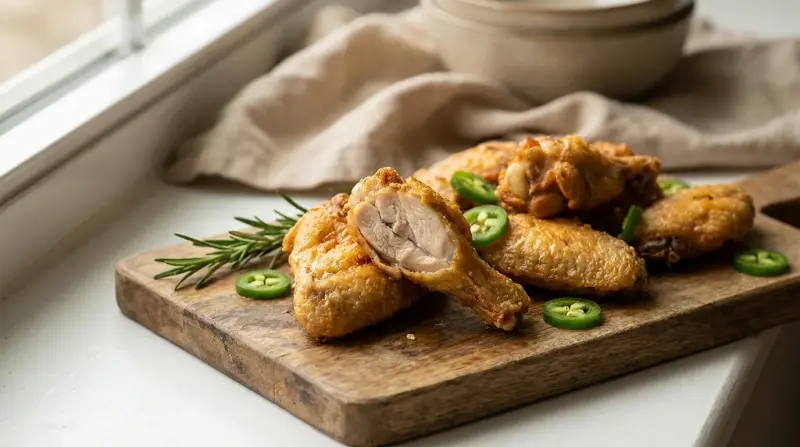
Chicken wings are high in calories because they contain a large proportion of skin, which is rich in fat, and many popular preparations add extra fat through deep‑frying, breading, or buttery sauces; these factors raise the energy density far above leaner cuts like breast.
Understanding the Nutrient Composition of Wings
Unlike chicken breast, a wing is composed of roughly 30‑40% skin by weight. The skin houses most of the visible fat, which contributes about 9 calories per gram. A typical medium wing (about 100 g raw) delivers roughly 165 calories, of which around 70 calories come from fat alone. The meat itself provides high‑quality protein—approximately 20 g per wing—but the fat-to‑protein ratio is much higher than in breast or thigh meat.
In addition to fat, the skin contains collagen, which turns into gelatin when cooked slowly; this adds a pleasant mouthfeel but does not offset the caloric impact. The bone also adds weight without calories, meaning the edible portion is denser in energy per gram.
How Cooking Methods Add Calories
The method you choose dramatically influences the final calorie count. Deep‑frying submerges the wing in oil, allowing the skin to absorb up to 2‑3 g of oil per wing, which adds roughly 18‑27 calories per wing. Even a light coating of breading can increase the carbohydrate content, raising the total by 20‑30 calories.
Traditional Buffalo wings are tossed in a butter‑based sauce; butter adds about 100 calories per tablespoon. A typical serving of 10 wings can therefore carry an extra 200‑300 calories from sauce alone. In contrast, air‑frying uses hot air circulation and only a thin brush of oil, cutting added fat by up to 70% while preserving crispness.
When you season wings with a dry rub instead of a sauce, you avoid the added calories from fats and sugars while still delivering flavor. For example, a rub made from smoked paprika, garlic powder, and a pinch of salt adds virtually no calories but boosts taste.
Portion Sizes and Calorie Counting
Nutrition labels usually define a "standard serving" of wings as 4.4 oz (about 4 medium wings), which equals roughly 360‑400 calories depending on preparation. However, restaurant orders often contain 10‑12 wings, quickly surpassing 1,000 calories. If you count a half‑order of six wings, you may ingest about 540‑600 calories and 40 g of fat.
To keep portions in check, aim for 3‑4 medium wings as a protein serving (about 4 oz). Pair them with low‑calorie vegetables like celery sticks or a cucumber salad to add volume without spiking the calorie total.
For accurate tracking, weigh the meat after removing the bone; a 3‑oz portion of meat (skin removed) provides roughly 140 calories, far less than the whole wing count suggests. This approach helps you stay within your daily macro goals.
Tips to Reduce Calories Without Sacrificing Flavor
- Choose an air‑fryer or bake instead of deep‑frying. A light spray of olive oil (about 1/2 teaspoon per pound) yields crisp skin while adding only 20‑30 calories.
- Use dry rubs or vinegar‑based hot sauces. These add flavor with minimal calories compared to butter‑based sauces.
- Trim excess skin. Removing a portion of the skin before cooking can cut fat by up to 30%.
- Serve with low‑fat dips. Greek yogurt mixed with herbs provides a creamy texture for about 15 calories per tablespoon, far lower than ranch or blue‑cheese dressings.
- Incorporate lean proteins. Pair wings with a side of grilled chicken breast or turkey strips to balance the meal.
For a practical example, try the Crispy Halal Air Fryer Chicken Wings: Savoury American Appetiser. The recipe uses a modest amount of oil and a flavorful spice blend, keeping the calorie count reasonable while delivering a satisfying crunch.
Troubleshooting High‑Calorie Wings
What Goes Wrong
Common pitfalls include over‑breading, using too much oil, and finishing the wings with heavy butter‑based sauces. These steps add extra fat and carbohydrates that quickly push the calorie total beyond a healthy range.
What It Looks Like
Wings that appear soggy, greasy, or have a thick, glossy coating are often the result of excess oil or sauce. You may also notice a rubbery texture if the wings are over‑cooked in a deep‑fryer without proper drainage.
What To Do
Pat the wings dry before seasoning, use a spray bottle for oil, and toss them in a minimal‑fat sauce after cooking. Allow fried wings to rest on a wire rack with paper towels underneath to drain excess oil. For sauce, whisk together hot sauce with a teaspoon of olive oil or a splash of broth instead of butter.
For more guidance on balancing flavor and nutrition, see Are Chicken Wings Healthy? Nutrition Facts and Smart Prep Tips. If you prefer air‑fried wings, refer to How Long Should Chicken Wings Cook in an Air Fryer? Complete Timing Guide for optimal timing and temperature.
A printable recipe card for "Crispy Halal Air Fryer Chicken Wings: Savoury American Appetiser" is just below the article, ready to download or print.
Frequently asked questions
Do fried chicken wings have more calories than baked?
Yes. Deep‑frying adds oil that the skin absorbs, increasing the calorie count by roughly 100‑150 calories per wing compared with baking or air‑frying, which use little to no added fat.
Can I eat chicken wings on a diet?
Wings can fit into a calorie‑controlled diet if you limit portion size, choose a low‑fat cooking method, and avoid buttery sauces. Pair them with vegetables and a light dip for a balanced meal.
How many calories are in a typical restaurant wing?
A medium restaurant wing, including skin and standard sauce, averages about 90‑100 calories. An order of 10 wings therefore provides around 900‑1,000 calories.
Are there low‑fat wing sauces?
Vinegar‑based hot sauces, mustard blends, or a drizzle of olive oil with herbs contain far fewer calories than butter‑based sauces. Mixing hot sauce with a splash of broth creates a light coating without added fat.
What is the safe internal temperature for chicken wings?
The USDA recommends cooking chicken wings to an internal temperature of 165 °F (74 °C). Using a meat thermometer ensures safety while preventing overcooking, which can make the meat dry.
Printable recipe card: Crispy Halal Air Fryer Chicken Wings: Savoury American Appetiser
Save it, print it, or keep it on your phone while you cook.
Loading the recipe card…