Do You Flip Chicken Thighs When Grilling? The Full Answer
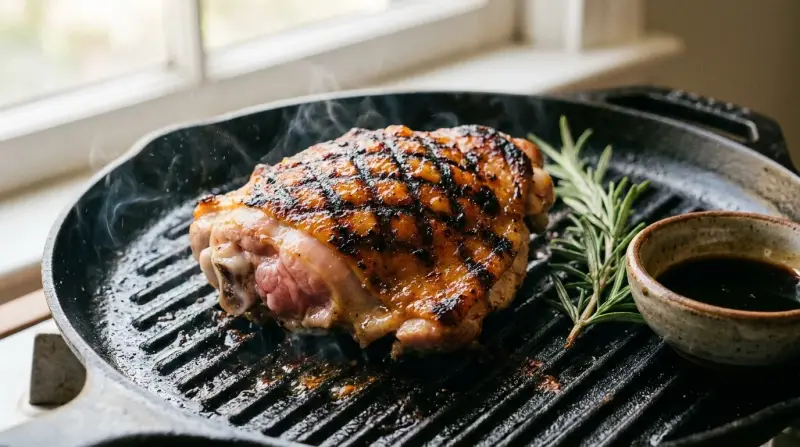
Yes, you should flip chicken thighs when grilling to ensure even cooking, develop a uniform crust, and reach a safe internal temperature of 165°F (74°C) throughout the meat; flipping also prevents one side from burning while the other remains undercooked.
What You Need Before Grilling Chicken Thighs
Gather a clean grill with both direct‑heat and indirect‑heat zones, a reliable digital meat thermometer, tongs, a brush for oil, and a shallow dish for any glaze. For seasoning, use salt, pepper, garlic powder, and smoked paprika, then coat the thighs with a thin layer of oil. If you plan to serve the thighs on skewers, the recipe Yakitori: Grilled Chicken Thigh Skewers provides a ready‑to‑go glaze and serving idea.
Step‑by‑Step Grilling Process
- Preheat the grill. Light the burners or arrange charcoal so that one side reaches 400°F (204°C) for direct heat while the opposite side sits at about 300°F (149°C) for indirect cooking. When you hold your hand an inch above the grill grate on the hot side, it should feel intense for 2–3 seconds.
- Season and rest the thighs. Pat the chicken dry, then sprinkle salt, pepper, garlic powder, and smoked paprika on both sides. Let the thighs sit for 10 minutes; this allows the surface moisture to evaporate, creating a better sear.
- Oil the grates. Use a folded paper towel dipped in oil and tongs to rub the hot grates. A lightly oiled surface prevents sticking and produces clean grill marks.
- Sear skin side down over direct heat. Place the thighs skin side down on the 400°F zone. Hear a gentle sizzle and watch the edges begin to turn opaque after about 3 minutes. When the skin releases easily from the grill, it is ready to flip.
- Flip and sear the flesh side. Turn the thighs using tongs and let them cook skin‑up for another 3 minutes. At this point the meat should show faint grill lines and an internal temperature of roughly 120°F (49°C).
- Move to indirect heat. Transfer the thighs to the 300°F side, arranging them with skin side up. Close the lid and cook for 5–8 minutes, rotating once halfway through. The lower temperature cooks the interior gently without burning the exterior.
- Check the internal temperature. Insert a meat thermometer into the thickest part of the thigh, avoiding bone. When it reads 165°F (74°C), the chicken is safe to eat. If it is lower, continue cooking in 2‑minute increments and re‑check.
- Rest the meat. Remove the thighs from the grill, loosely cover with foil, and let them rest for 5 minutes. Resting lets juices redistribute, resulting in moist meat.
- Apply glaze (optional). Brush a thin layer of soy‑based glaze over the skin during the last minute of indirect heat for a glossy finish. For a sweet‑savory glaze, see the Yakitori recipe linked earlier.
Finishing Touches and Serving Ideas
After resting, slice bone‑in thighs against the grain or serve them whole. Pair with grilled vegetables, a fresh salad, or rice. For a different flavor profile, read the guide How to Grill Chicken Thighs: Step‑by‑Step Guide for Juicy Results Every Time, which explains two‑zone grilling in more depth.
If you prefer a smoky, lower‑and‑slow method, the article Yes, You Can BBQ Chicken Thighs – Simple Steps for Juicy, Flavorful Results shows how to achieve similar results on a covered barbecue.
A printable recipe card for "Yakitori: Grilled Chicken Thigh Skewers" is just below the article, ready to download or print.
Common mistakes
Cooking only on direct heat
Result: The skin may char while the interior remains pink and under‑cooked. Avoid by moving the thighs to indirect heat after the initial sear, allowing the center to reach 165°F without burning.
Flipping too early or too often
Result: The skin sticks to the grate and tears, losing crispness. Wait until the skin releases easily—usually 3 minutes—before the first flip, and then limit flips to the two mentioned in the steps.
Neglecting the thermometer
Result: Overcooked, dry meat or unsafe undercooked meat. Always use a digital thermometer and remove the thighs at 165°F, then let them rest.
Skipping the rest period
Result: Juices run out onto the plate, leaving the meat dry. Rest for at least 5 minutes; this brief hold re‑absorbs moisture and improves texture.
Printable recipe card: Yakitori: Grilled Chicken Thigh Skewers
Save it, print it, or keep it on your phone while you cook.
Loading the recipe card…